
From First Hello to Lifelong Belonging
Today we explore designing community-led onboarding that increases activation and retention by turning real people into guides, greeters, and gentle catalysts. Instead of long manuals, peers offer pathways, stories, and support that transform hesitant curiosity into confident contribution. You’ll find practical rituals, measurement habits, and nurturing practices you can apply immediately. Share your favorite welcome gestures in the comments, invite a friend to join, and subscribe to keep receiving field-tested ideas shaped by communities that care.
Start with Shared Purpose
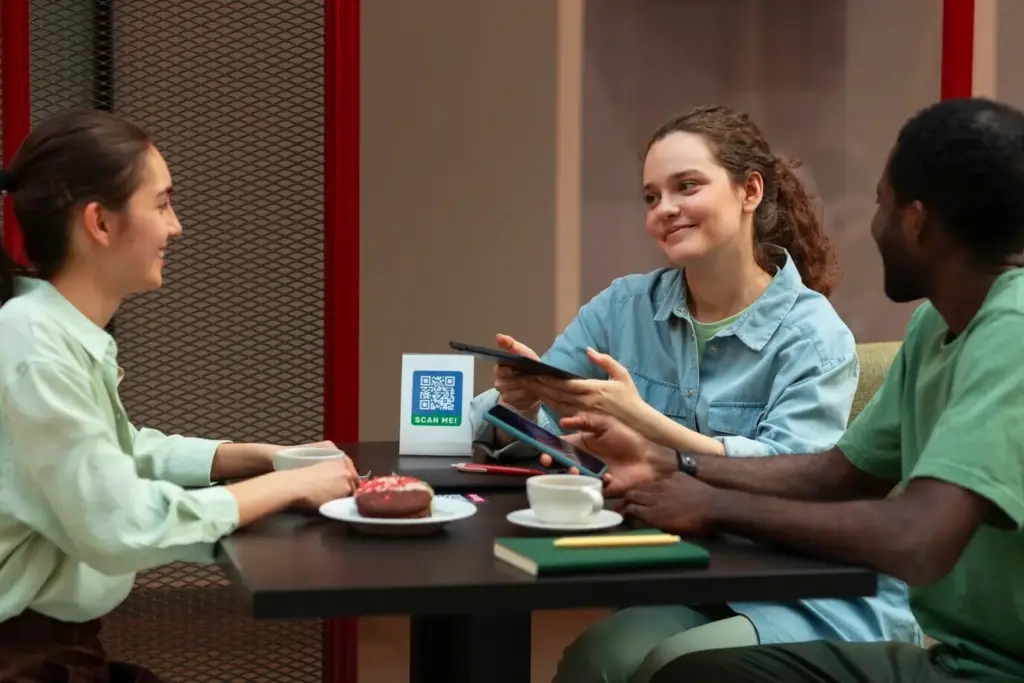
Before welcoming anyone, align around why belonging matters here and what meaningful participation looks like in the first days. Communities thrive when activation is defined as a human moment—someone feels useful, seen, and safe. That clarity makes peer support natural, avoids performative busywork, and centers contribution over consumption. Invite founding members to articulate motivations, map fears newcomers may carry, and describe success in plain language. Then set up gentle prompts and checkpoints anchored in those purpose statements, not vanity metrics.

The 24-Hour Hello
A timely greeting signals, “We noticed you and we’re glad you’re here.” Create a rotating roster so no one carries the entire load. Keep messages short, specific, and sincere. Invite a tiny step—react to a post, choose a channel, or introduce yourself with a fun prompt. In a civic tech group, this practice cut ghost sign-ups dramatically because new members felt anticipated rather than anonymous. Encourage replies, yet respect silence. The invitation remains open, proving patience is part of welcome.

Buddy Magic, Light Touch
Pair newcomers with experienced peers who remember what it felt like to arrive. Offer optional pairings and clear expectations: a quick chat, a check-in after the first action, and a shared reflection. Keep power dynamics gentle—buddies are companions, not evaluators. A mutual aid network found that rotating buddies every month renewed energy and prevented dependency. Provide buddies with conversation starters, accessibility reminders, and escalating pathways if concerns arise. Celebrate successful pairs, letting gratitude model the culture you want.
Participation Loops That Reinforce Belonging
Design interactions so one good experience naturally leads to another, like stepping stones across a stream. An initial contribution should unlock recognition, support, and a clearer path to slightly larger contributions. Make feedback fast and kind, turning learning into momentum rather than friction. Align status with service, not volume, so bragging rights reward helpfulness. Over time, these loops encourage resilience during quieter periods. When the path forward is visible and cooperative, retention feels like a byproduct of shared meaning.
Tiny Invitations, Real Impact
Offer micro-contributions that matter: tagging a resource, proofreading a paragraph, welcoming a newcomer, or logging a small issue. Make each action connect to visible outcomes, so people see their fingerprints on shared work. In a language exchange circle, five-minute check-ins drove deeper commitments later. Publish a menu of micro-actions updated weekly. Rotate highlights so different skills shine—care, organization, creativity, analysis. When tiny actions are celebrated, members keep returning, confident their efforts are valued and never trivialized.
Feedback That Feels Like Friendship
Respond quickly, kindly, and specifically. Replace vague praise with clear appreciation tied to impact, and suggest one achievable improvement. Create norms for tone, timing, and escalation to prevent burnout for reviewers. In a design cooperative, feedback circles capped at fifteen minutes reduced anxiety and increased iteration frequency. Offer asynchronous options for different time zones. Encourage newcomers to give feedback early, too; teaching deepens learning. When feedback leaves dignity intact, people risk more creativity, building attachment through trust.
Recognition Beyond Leaderboards
Honor helpfulness, mentorship, and reliability, not just output. Rotate spotlights, send hand-written notes, and create playful badges tied to community values like clarity, compassion, or curiosity. Avoid zero-sum rankings that discourage collaboration. A youth makerspace used story-based shout-outs during weekly gatherings, naming behaviors that kept the space safe and joyful. Recognition becomes part of the learning loop, not a competition. When people feel seen for how they contribute, they keep showing up with personal pride and collective care.
Norms Wrapped in Narrative

Translate rules into memorable stories: how a conflict turned into collaboration, how a quiet idea became a flagship project, how someone asked for help and was met with generosity. Narratives anchor values in emotion and action. In a community garden, a tale about a shared hose became shorthand for stewardship. Scatter these stories across onboarding touchpoints. Encourage members to contribute new ones annually. When norms live in lived examples, enforcement softens and self-correction becomes a shared, almost effortless practice.
Pocket Playbooks for Guides

Create concise, scenario-based cards mentors can open during conversations: welcoming a skeptic, supporting a multilingual member, or responding to conflict. Include language snippets, empathy checks, and handoff paths. Update playbooks based on real incidents, not theoretical worries. A remote arts collective kept their playbooks inside chat pins and printed zines, ensuring offline access. By equipping guides with practical micro-instructions, you reduce hesitation in the moment. Confidence among helpers leads to smoother experiences, which, in turn, strengthens continuity and care.
Access for Every Body and Bandwidth

Design materials for screen readers, low-bandwidth connections, and varied time zones. Offer transcripts, captions, and alt text as defaults, not afterthoughts. Provide quiet rooms, pause points, and clear opt-outs so participation never feels compulsory. A regional mutual aid hub mirrored resources in multiple languages and formats, widening the door for newcomers. Accessibility is generosity operationalized. When people can choose how and when to engage, they return with gratitude, bringing friends who recognize the integrity behind these thoughtful choices.
Evidence Over Assumptions
Measure activation and retention with humility, blending numbers with narratives. Define a clear activation moment tied to human value, then track the steps and delays leading to it. Compare cohorts, not just totals, and look for early signals that predict staying power: first reply time, buddy matches, and follow-up invitations. Share dashboards openly, inviting interpretation from members themselves. When insights guide gentle experiments—never surveillance—communities learn together, improving the path without losing the warmth that drew people in.
Keep the Fire Burning
After the first win, momentum needs tending. Seasonal rhythms, shared challenges, and gentle advancement keep participation fresh. Offer new ways to contribute as skills grow, and celebrate transitions into stewardship without hierarchy. Close feedback loops with product teams or organizers so community insights shape the environment. When ongoing purpose feels alive and attainable, members invite friends, mentor newcomers, and stay through inevitable lulls. Treat continuity as craft, honoring cycles, rest, and renewal so commitment remains joyful, not brittle.

All Rights Reserved.